Nau mai te tahi o te tau!
Once again this June/July we gathered to commemorate Puanga mā Matariki at Rātā Marae. For Whakauae, Puanga mā Matariki is a time for us to share kōrero, kai, wānanga, reflect on the year that has been and to welcome the new year. This year we carried on our theme of mahi toi and were treated to the artform known as aute. Aute is a rākau also known as the paper mulberry plant. Aute is also the name of the cloth that is harvested from the aute rākau.
Our wānanga began with a pōwhiri to welcome Rata Campbell (Ngāti Kahungunu, Ngāti Rakaipaaka, Ngāti Porou) into our Whakauae whānau. Rata is a communications consultant and is contracted to provide communications advice to Whakauae while Mona-Pauline is on maternity leave. We also welcomed Atarangi Anderson and her whānau to our wānanga. Atarangi is from the Potaka whānau and is currently based in Tāmaki Makaurau. She is a aute practitioner and facilitated our aute wānanga over the two days.
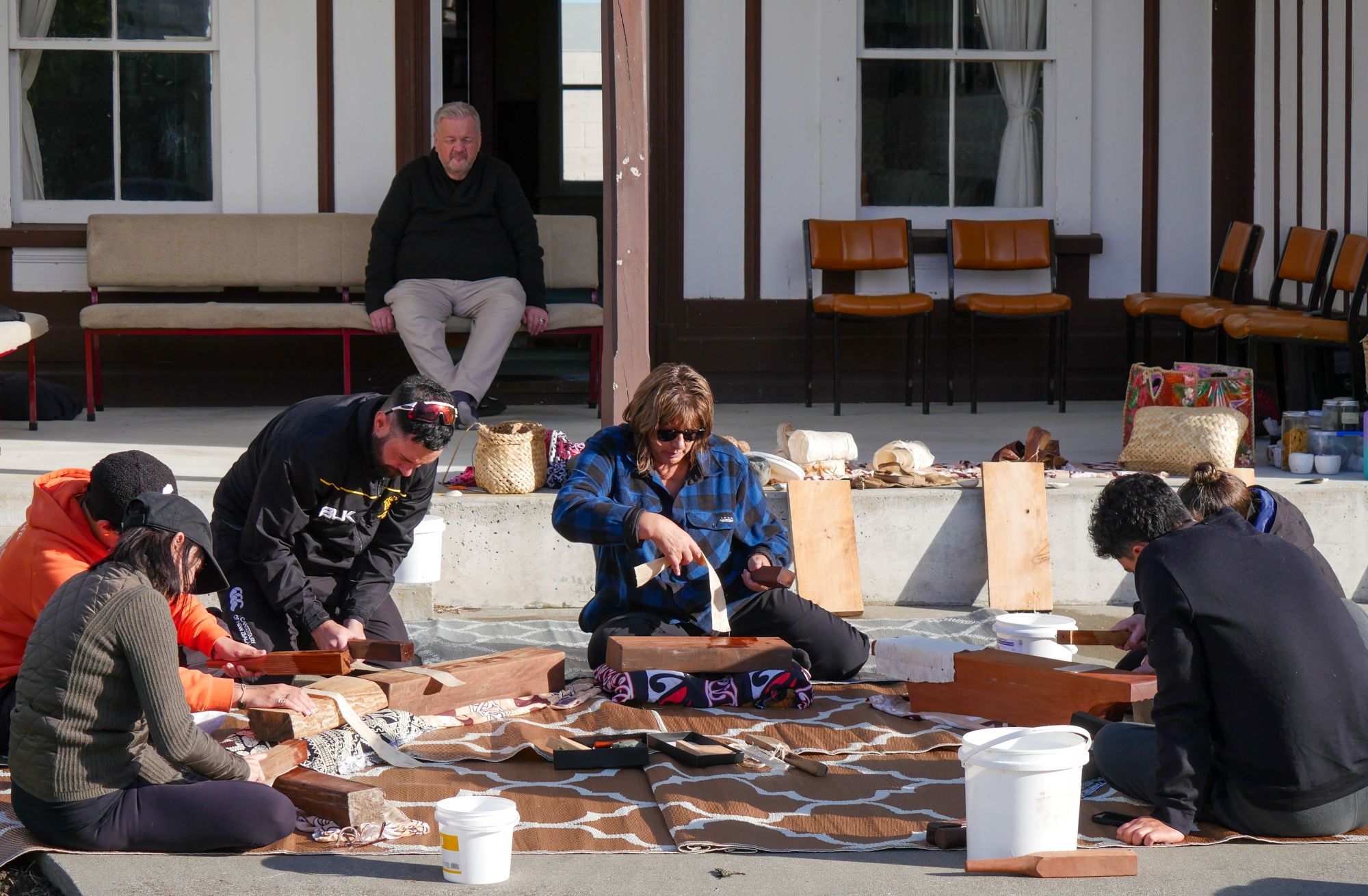
Despite the cold chills we usually experience with takurua at Rātā marae over this season, we were thankful that Tama-nui-te-rā came out, and the sun was shining. This meant that for day one, we held our wānanga outside in front of the mahau.
Atarangi shared kōrero about aute, its whakapapa, and shared connections throughout Te Moana-nui-a-Kiwa, and to Taiwan. She shared stories about its movements and its tikanga and practices. For instance, there is a wairua aspect to manu aute (kites). Manu aute are flown to carry messages, desires, and hopes to the rangi for the upcoming seasons.
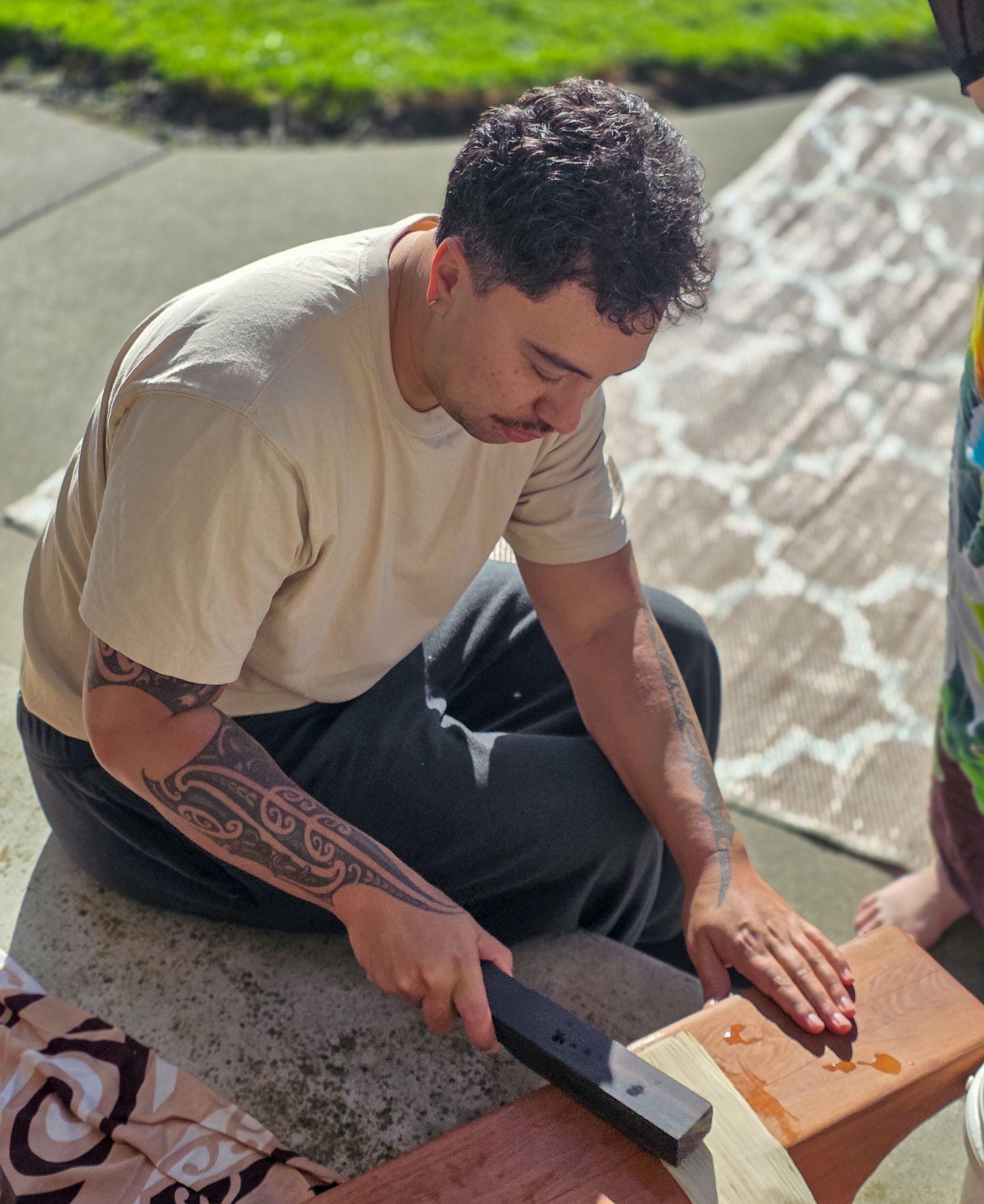
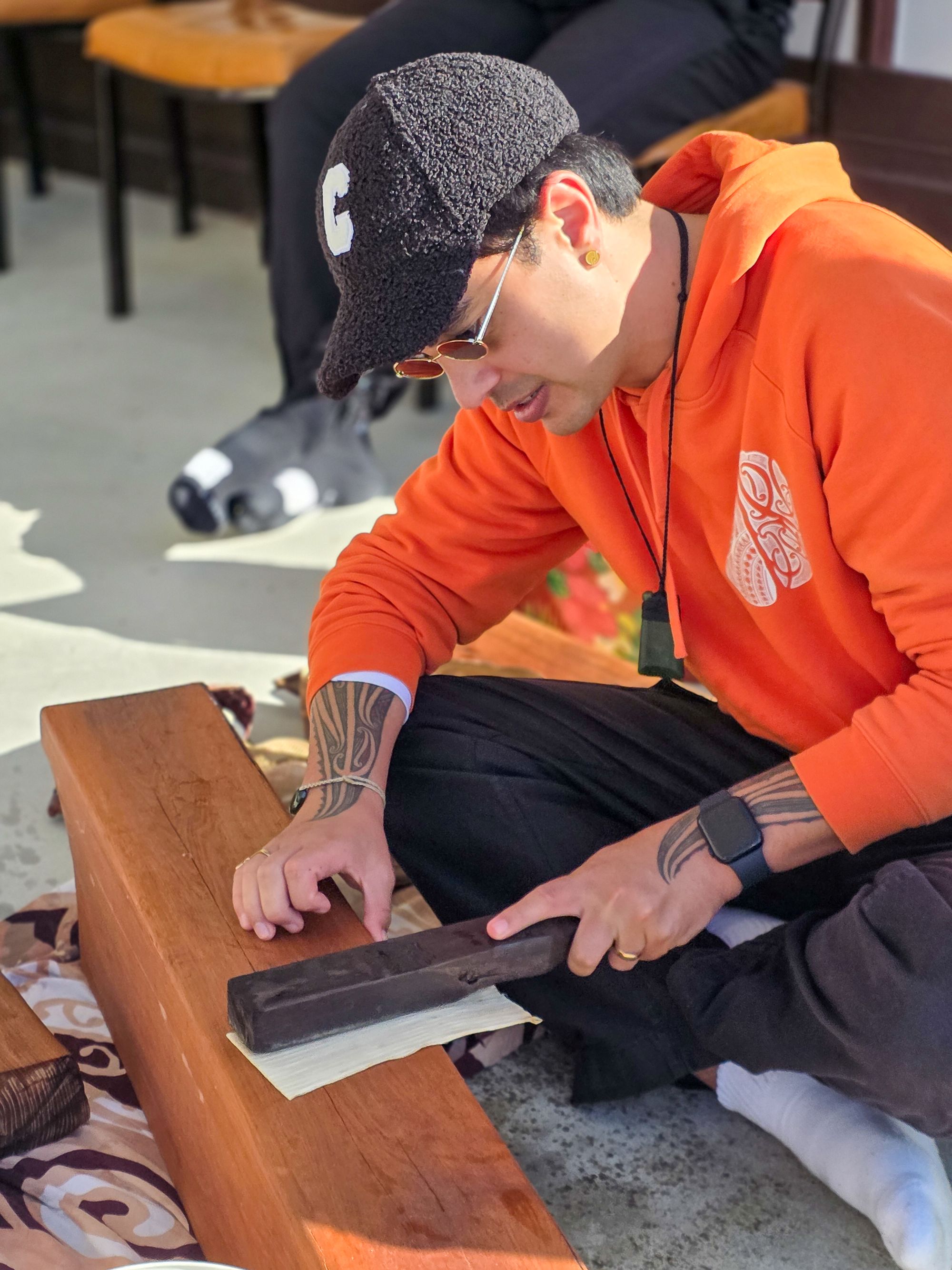
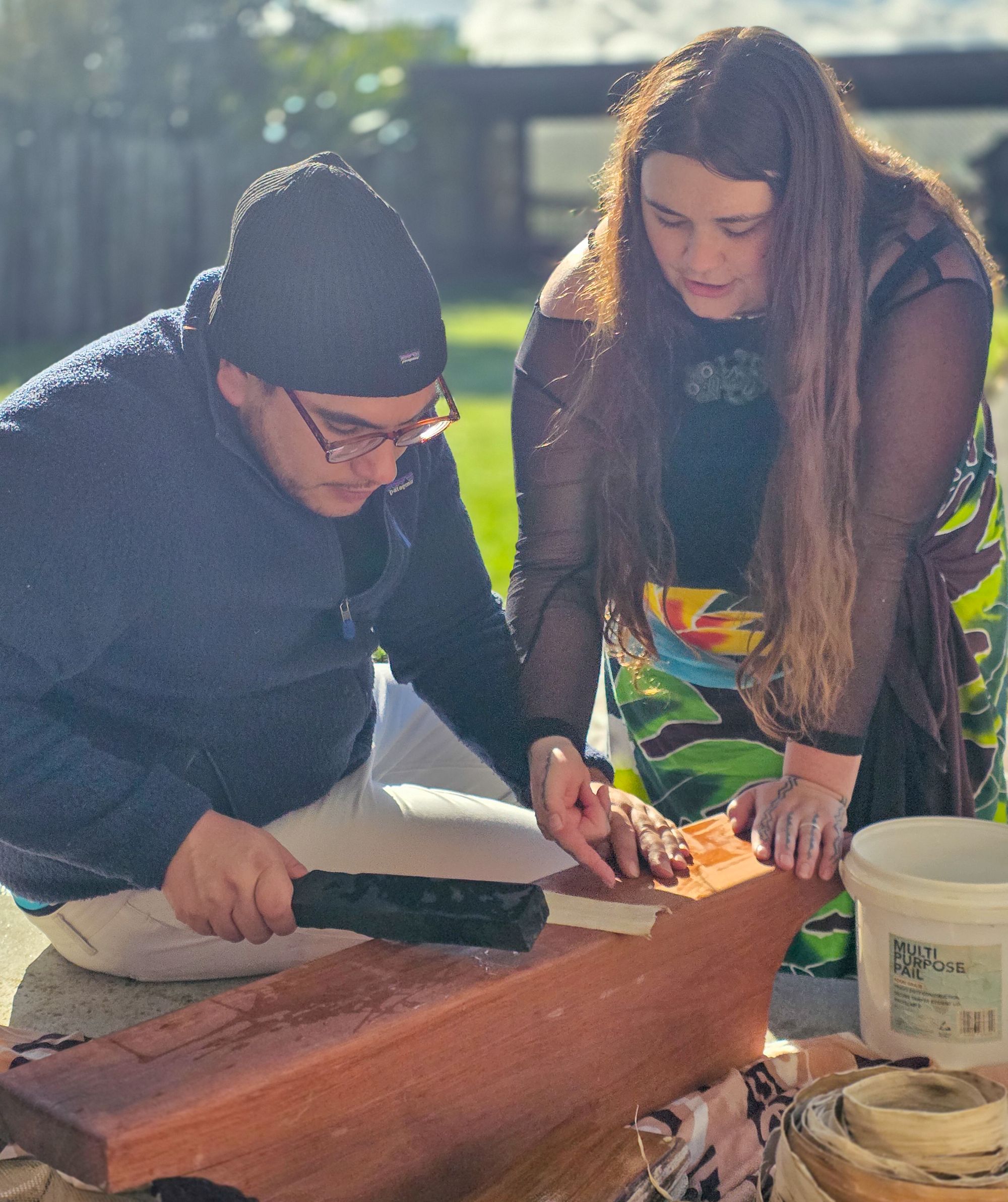
We then got into the practical part of the wānanga which involved scraping the aute bark with shells and beating the aute to spread the fibres and form the aute cloth. We hung up our aute cloth overnight to dry. Atarangi then taught us how to create paint from dirt and uku (clay). We mixed the dirt with manuka honey and water and we painted our own aute cloth. We each got to take our own aute taonga back home.
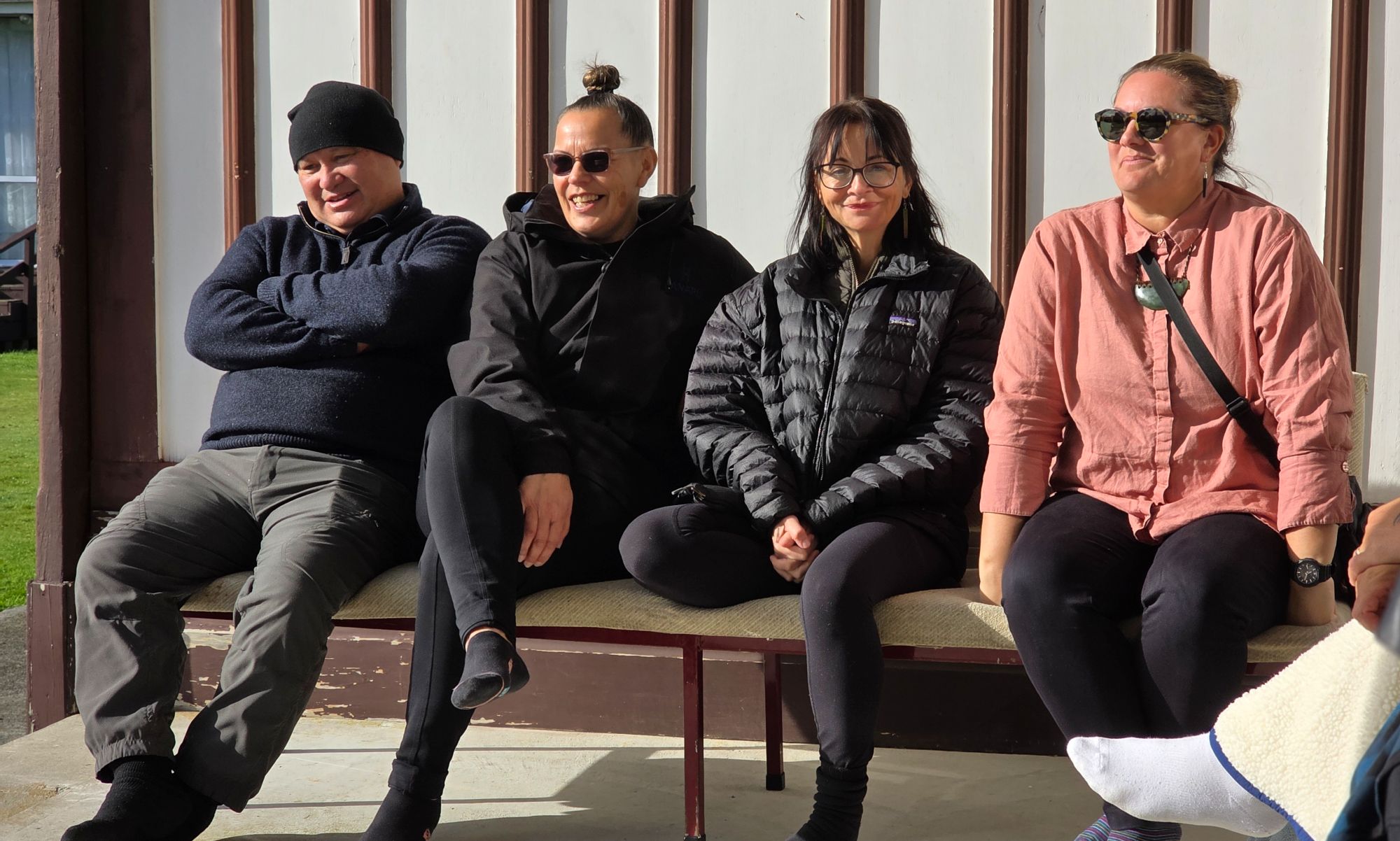
Throughout the two days we also shared a lot of kai and kōrero with each other, nourishing our tinana and our relationships with each other. It’s always special to return to Rātā marae and to be spiritually nourished by being on Ngāti Hauiti whenua.
A big thank you to Atarangi for sharing her kōrero tuku iho with us - we’re excited to plant some aute seedlings in the upcoming weeks as we hope to establish our own pā aute and contribute to the reclamation of aute practice at our respective homes.
Nau mai te tahi o te tau!
Once again this June/July we gathered to commemorate Puanga mā Matariki at Rātā Marae. For Whakauae, Puanga mā Matariki is a time for us to share kōrero, kai, wānanga, reflect on the year that has been and to welcome the new year. This year we carried on our theme of mahi toi and were treated to the artform known as aute. Aute is a rākau also known as the paper mulberry plant. Aute is also the name of the cloth that is harvested from the aute rākau.
Our wānanga began with a pōwhiri to welcome Rata Campbell (Ngāti Kahungunu, Ngāti Rakaipaaka, Ngāti Porou) into our Whakauae whānau. Rata is a communications consultant and is contracted to provide communications advice to Whakauae while Mona-Pauline is on maternity leave. We also welcomed Atarangi Anderson and her whānau to our wānanga. Atarangi is from the Potaka whānau and is currently based in Tāmaki Makaurau. She is a aute practitioner and facilitated our aute wānanga over the two days.
Despite the cold chills we usually experience with takurua at Rātā marae over this season, we were thankful that Tama-nui-te-rā came out, and the sun was shining. This meant that for day one, we held our wānanga outside in front of the mahau.
Atarangi shared kōrero about aute, its whakapapa, and shared connections throughout Te Moana-nui-a-Kiwa, and to Taiwan. She shared stories about its movements and its tikanga and practices. For instance, there is a wairua aspect to manu aute (kites). Manu aute are flown to carry messages, desires, and hopes to the rangi for the upcoming seasons.
We then got into the practical part of the wānanga which involved scraping the aute bark with shells and beating the aute to spread the fibres and form the aute cloth. We hung up our aute cloth overnight to dry. Atarangi then taught us how to create paint from dirt and uku (clay). We mixed the dirt with manuka honey and water and we painted our own aute cloth. We each got to take our own aute taonga back home.
Throughout the two days we also shared a lot of kai and kōrero with each other, nourishing our tinana and our relationships with each other. It’s always special to return to Rātā marae and to be spiritually nourished by being on Ngāti Hauiti whenua.
A big thank you to Atarangi for sharing her kōrero tuku iho with us - we’re excited to plant some aute seedlings in the upcoming weeks as we hope to establish our own pā aute and contribute to the reclamation of aute practice at our respective homes.