Whakauae Research recently recognised the end of the HRC funded programme of research, Kia Puāwai ake nga uri whakatupu (Kia Puāwai), with an event at Rātā Marae.
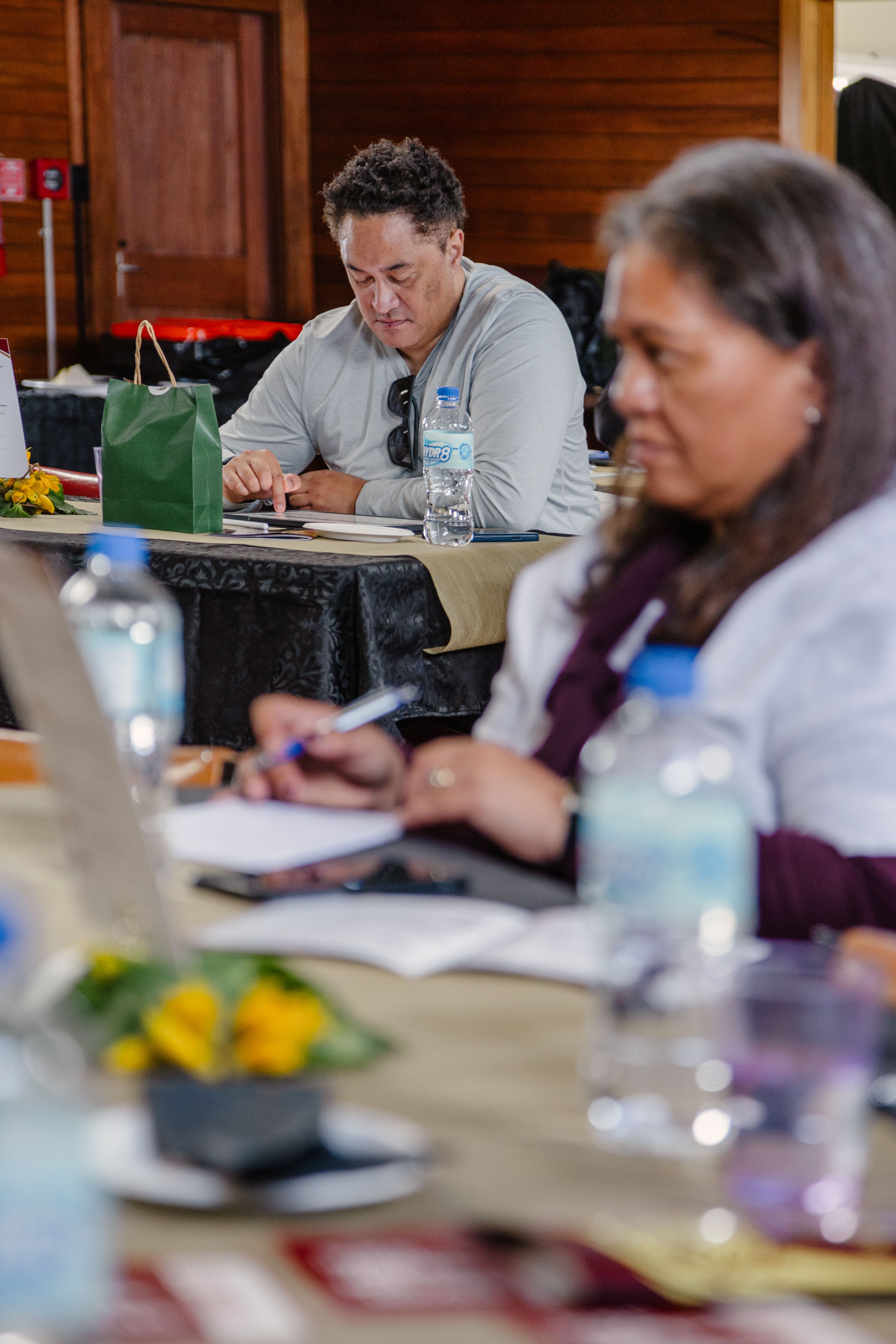
The symposium Ki Te Whai Ao, Ki Te Ao Mārama showcased Kia Puāwai activities across the five-year programme of research dedicated to generating new Māori knowledge and finding solutions that improve the health and wellbeing of all whānau Māori.
The symposium brought together a range of attendees, including whānau and iwi for whom the research resonated, academics, community leaders, design collaborators and expert advisors. Together we celebrated the success of Kia Puāwai as research teams and presented alongside the whānau we had worked closely with over the course of the programme.
The Kia Puāwai programme comprised four distinct projects: three research projects – and what might be a first under a programme grant – and an entire project dedicated to knowledge translation for impact to facilitate key systems change, the TUI project (Translation, Uptake and Impact).
• Luke Enoka, who recently completed his master’s through the programme, presented on the Ngāti Hauiti iwi governance project, Rapua te ara Rangatira kia Hikitia ai te oranga tangata. Rapua researchers alongside Te Rūnanga o Ngāti Hauiti investigated leadership, governance and decision-making at the iwi level to achieve health equity. The project culminated in the development of Te Remu Huia, a bespoke governance and leadership model designed specifically for Te Rūnanga o Ngāti Hauiti. The model draws on the symbolism of the huia bird, whose remu, or tail feathers, were worn by rangatira and ariki. The remu are therefore an expression of tino rangatiratanga, the central concept of the model.
• Professor Denise Wilson presented on behalf of the Tō mātou kāinga, tō mātou ūkaipō project, which explored whānau conceptions of home to support flourishing home environments. The project engaged with whānau, iwi, community leaders, housing and design specialists, students and architects and answered the questions: what does home mean to you? What makes a house a home? The learnings included that what makes a home truly special is seldom its physical or architectural features. Instead, people spoke of being close to their whenua, feeling the spirit and care of the taiao, laughing over kitchen tables, belonging to supportive networks, getting through difficult times, and watching mokopuna learn, grow and laugh.
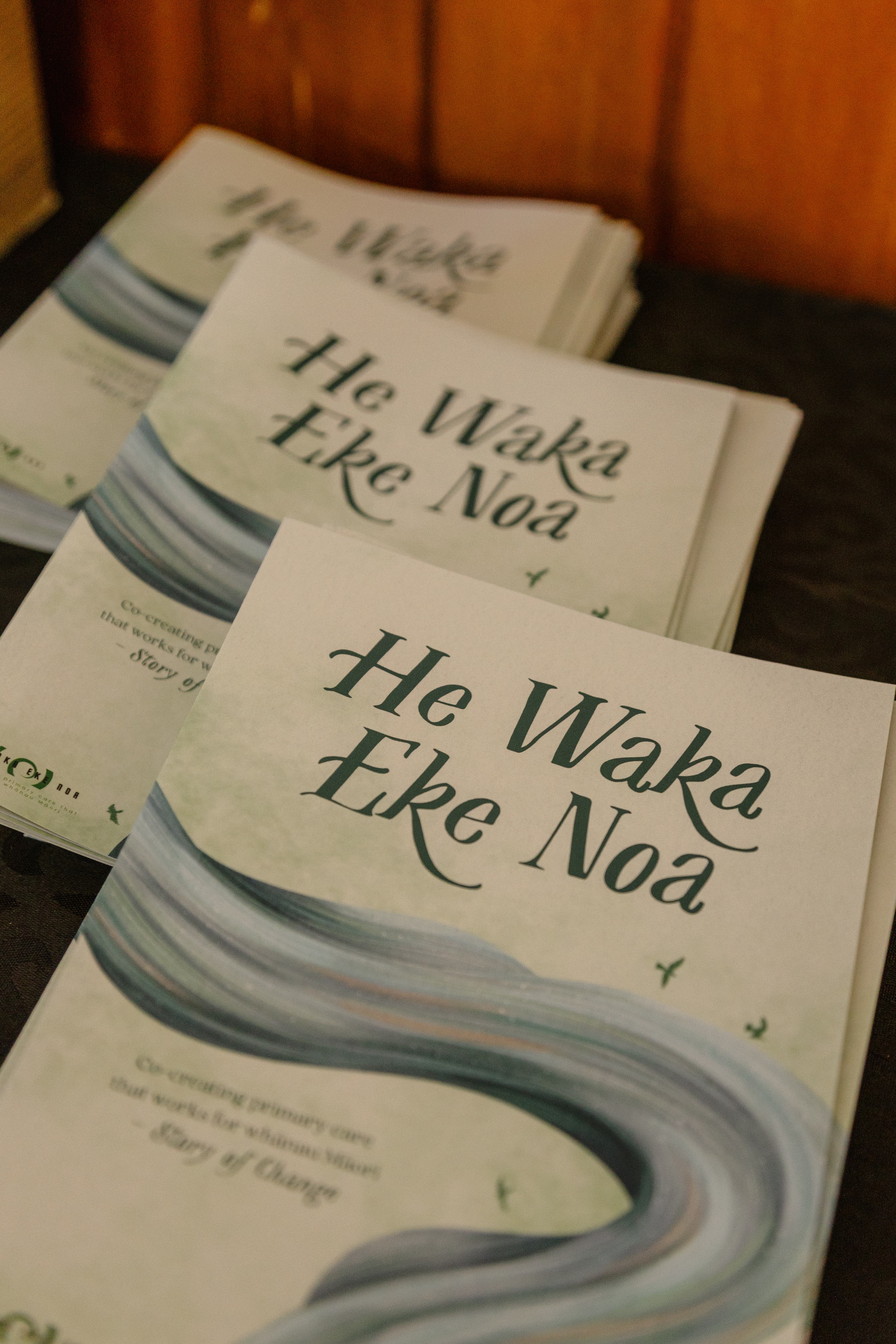
• Dr Heather Gifford presented their work with Gonville Health in Whanganui on behalf of the He Waka Eke Noa project, which sought to co-create primary care services that work for whānau Māori. The project used an appreciative enquiry methodology alongside Kaupapa Māori methods to ask whānau about the things they need throughout a cancer journey and how they benefited from the care and support they received. Throughout the research, the team rightly elevated whānau voices, resulting in recognisable change in primary care practice at Gonville Health.
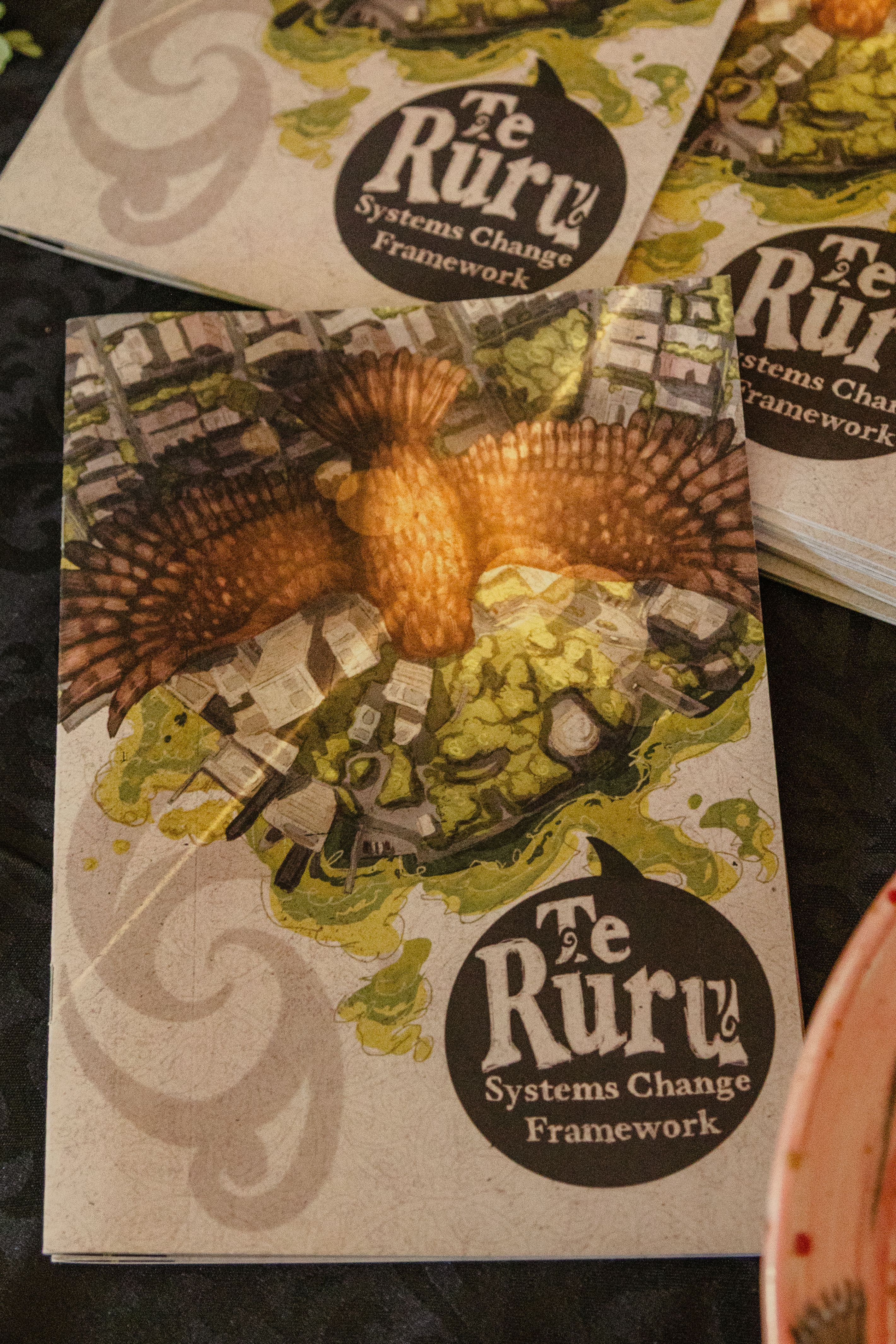
• Dr Tanya Allport presented on the approach adopted to translate new research knowledge generated from the three projects into transformative outcomes for communities, whānau, hapū, Iwi and Māori communities on behalf of the TUI (Translation, Uptake and Impact) project. Project teams created dedicated annual TUI plans through each of the five years of Kia Puāwai stating how they would translate research findings in impactful ways. On display during the symposium were a range of videos, comics, pūrākau, posters, journal articles, card games, creative artefacts and many more creative pieces that were produced to translate the research findings to various audiences. A dedicated Kia Puāwai website was established and will remain to ensure knowledge translation continues. https://www.kia-puawai.whakauae.co.nz/
At the close of five years of research a significant reflection by the team was that the Kia Puāwai programme was solidly values-driven. Many research programmes are built around one specific topic, maybe a disease or a problem; however, Kia Puāwai was focused on our aspiration to influence system change for whānau so that they may flourish as Māori. This aspirational goal brought autonomy and agency to everyone involved in the programme, ensuring that our work remained holistic, community-led, and honoured whānau voices. The addition of dedicated resources to effect the translation of research material has greatly contributed to the impacts that Kia Puāwai has made and will continue to make long into the future.
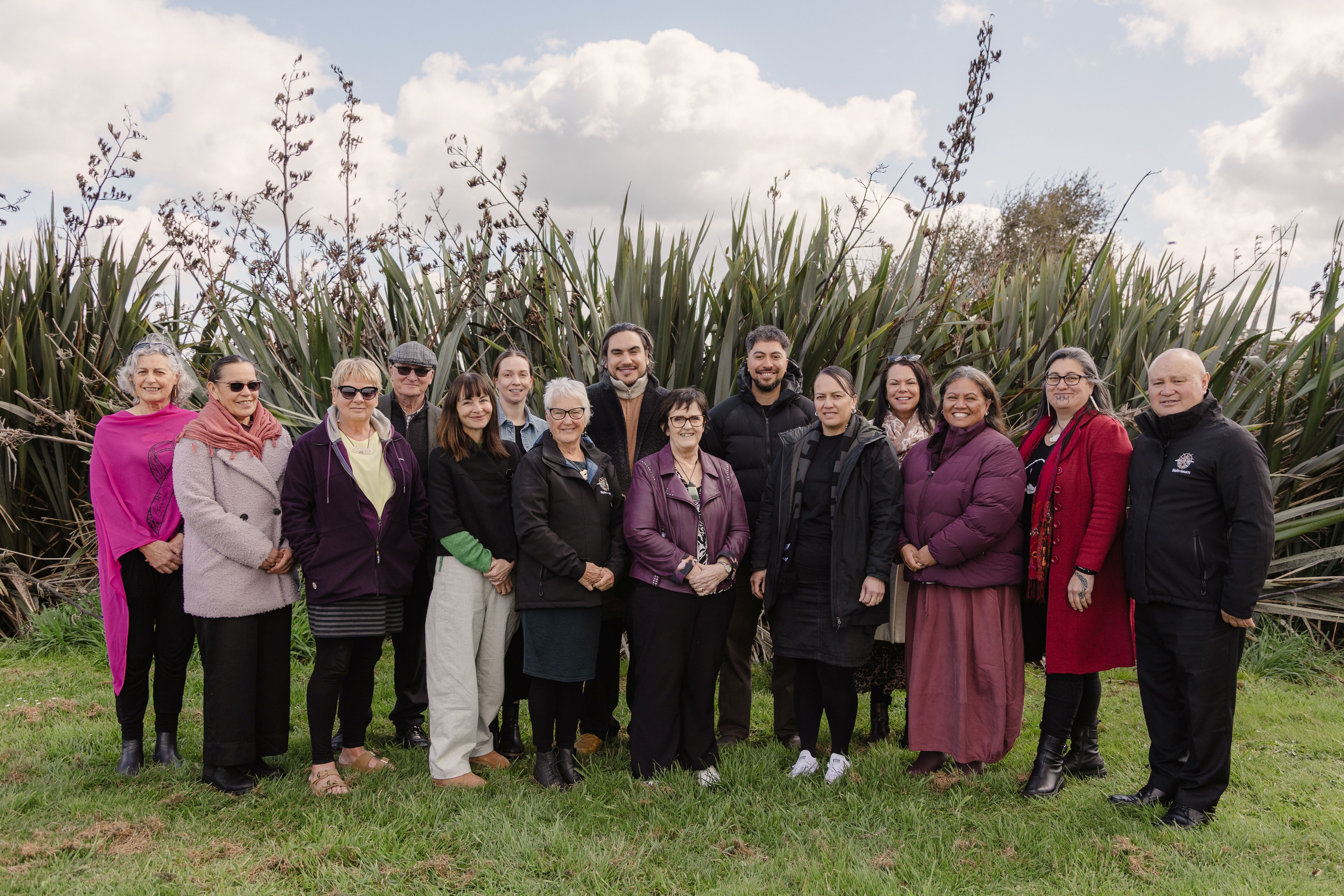
Whakauae Research recently recognised the end of the HRC funded programme of research, Kia Puāwai ake nga uri whakatupu (Kia Puāwai), with an event at Rātā Marae.
The symposium Ki Te Whai Ao, Ki Te Ao Mārama showcased Kia Puāwai activities across the five-year programme of research dedicated to generating new Māori knowledge and finding solutions that improve the health and wellbeing of all whānau Māori.
The symposium brought together a range of attendees, including whānau and iwi for whom the research resonated, academics, community leaders, design collaborators and expert advisors. Together we celebrated the success of Kia Puāwai as research teams and presented alongside the whānau we had worked closely with over the course of the programme.
The Kia Puāwai programme comprised four distinct projects: three research projects – and what might be a first under a programme grant – and an entire project dedicated to knowledge translation for impact to facilitate key systems change, the TUI project (Translation, Uptake and Impact).
• Luke Enoka, who recently completed his master’s through the programme, presented on the Ngāti Hauiti iwi governance project, Rapua te ara Rangatira kia Hikitia ai te oranga tangata. Rapua researchers alongside Te Rūnanga o Ngāti Hauiti investigated leadership, governance and decision-making at the iwi level to achieve health equity. The project culminated in the development of Te Remu Huia, a bespoke governance and leadership model designed specifically for Te Rūnanga o Ngāti Hauiti. The model draws on the symbolism of the huia bird, whose remu, or tail feathers, were worn by rangatira and ariki. The remu are therefore an expression of tino rangatiratanga, the central concept of the model.
• Professor Denise Wilson presented on behalf of the Tō mātou kāinga, tō mātou ūkaipō project, which explored whānau conceptions of home to support flourishing home environments. The project engaged with whānau, iwi, community leaders, housing and design specialists, students and architects and answered the questions: what does home mean to you? What makes a house a home? The learnings included that what makes a home truly special is seldom its physical or architectural features. Instead, people spoke of being close to their whenua, feeling the spirit and care of the taiao, laughing over kitchen tables, belonging to supportive networks, getting through difficult times, and watching mokopuna learn, grow and laugh.
• Dr Heather Gifford presented their work with Gonville Health in Whanganui on behalf of the He Waka Eke Noa project, which sought to co-create primary care services that work for whānau Māori. The project used an appreciative enquiry methodology alongside Kaupapa Māori methods to ask whānau about the things they need throughout a cancer journey and how they benefited from the care and support they received. Throughout the research, the team rightly elevated whānau voices, resulting in recognisable change in primary care practice at Gonville Health.
• Dr Tanya Allport presented on the approach adopted to translate new research knowledge generated from the three projects into transformative outcomes for communities, whānau, hapū, Iwi and Māori communities on behalf of the TUI (Translation, Uptake and Impact) project. Project teams created dedicated annual TUI plans through each of the five years of Kia Puāwai stating how they would translate research findings in impactful ways. On display during the symposium were a range of videos, comics, pūrākau, posters, journal articles, card games, creative artefacts and many more creative pieces that were produced to translate the research findings to various audiences. A dedicated Kia Puāwai website was established and will remain to ensure knowledge translation continues. https://www.kia-puawai.whakauae.co.nz/
At the close of five years of research a significant reflection by the team was that the Kia Puāwai programme was solidly values-driven. Many research programmes are built around one specific topic, maybe a disease or a problem; however, Kia Puāwai was focused on our aspiration to influence system change for whānau so that they may flourish as Māori. This aspirational goal brought autonomy and agency to everyone involved in the programme, ensuring that our work remained holistic, community-led, and honoured whānau voices. The addition of dedicated resources to effect the translation of research material has greatly contributed to the impacts that Kia Puāwai has made and will continue to make long into the future.