

It’s hard to believe that it’s been just over three years of working with Whakauae! And even harder to believe that I’ve just completed almost six years of university. Sadly, I don’t even think I fit into the rangatahi category anymore. To recap, I first joined Whakauae in 2022 for their Winter Studentship programme. Following that, I would help out occasionally with rangatahi interviews or article writing. Midway through 2023, I decided to pursue postgraduate studies and was offered the Kia Puāwai Masters scholarship to support my Master of Indigenous Studies at Waipapa Taumata Rau – University of Auckland.
I’m so relieved to report that in June this year, I submitted a dissertation that marked the end of my Masters programme, entitled “With the Currents: Navigating Moanan Portrayals on Instagram”. This dissertation explored how both Māori and Pasifika populations worldwide portray themselves and engage with one another on Instagram. Using thematic analysis, three major categories of data emerged on Instagram: Humour, Culture, and Politics. To condense around 15,000 words, Moanan peoples are funny. We use humour to foster whanaungatanga and relatability. We are posting content that revitalises mātauranga, showcases both our traditional and contemporary forms of cultural attire, dance, and song, and we are educating each other on “forgotten” (suppressed) chunks of our histories. Finally, we are political because we have no choice but to be. In the words of Nick Estes (Sicangu), “to be indigenous is to be political because we were never supposed to be here”.
Working with Whakauae has taught me so much about the Kaupapa Māori workforce. Throughout all these years, I have been given opportunities to build my research capacity and capabilities in many ways, such as writing articles, conducting both group and individual interviews, conducting evaluations, videography and video editing, discussing dissemination strategies, and so much more.
It has been an honour to learn from the amazing Kairangahau who dedicate so much of their time and energy towards better outcomes for Māori.
Ki ngā tāngata katoa – arā, ki a Tanya rāua ko Tom, rātou ko ōku tuākana, ko Logan, ko Stacey, ko Cinnamon - koutou katoa i tiaki mai i tēnei pipi manu, e rere ana āku mihi maioha ki a koutou.
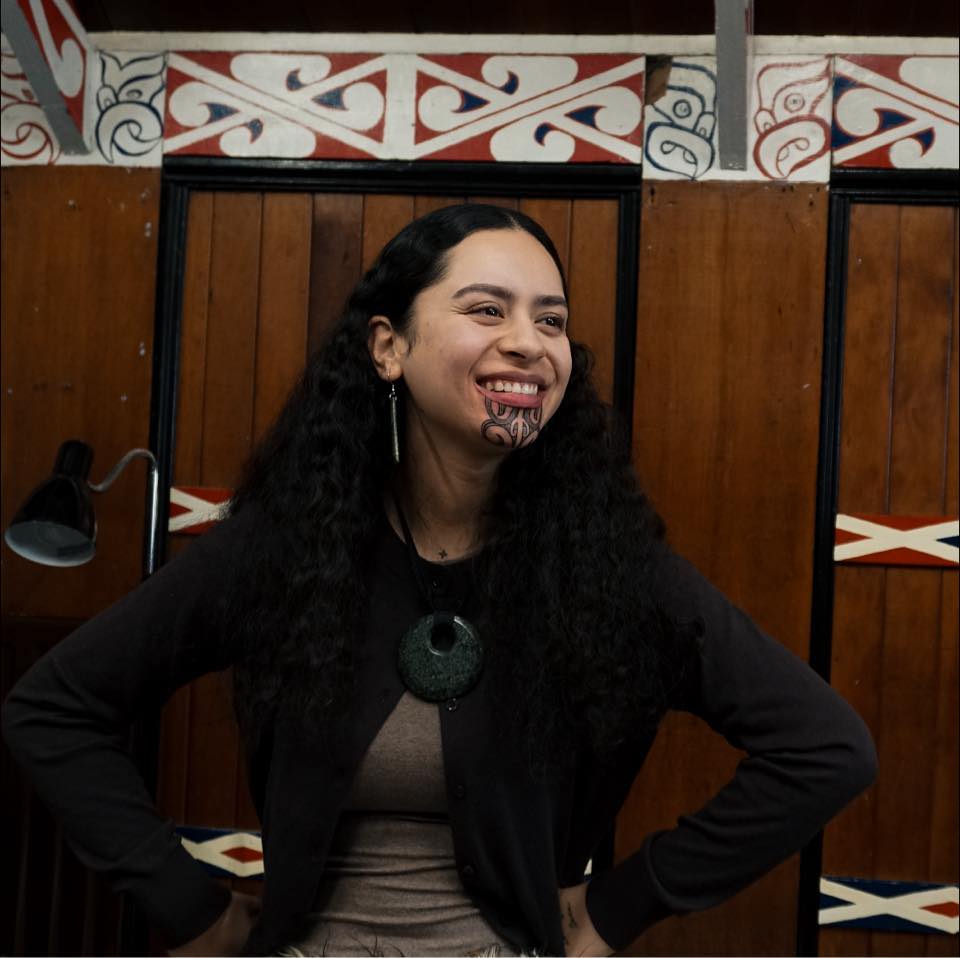
It’s hard to believe that it’s been just over three years of working with Whakauae! And even harder to believe that I’ve just completed almost six years of university. Sadly, I don’t even think I fit into the rangatahi category anymore. To recap, I first joined Whakauae in 2022 for their Winter Studentship programme. Following that, I would help out occasionally with rangatahi interviews or article writing. Midway through 2023, I decided to pursue postgraduate studies and was offered the Kia Puāwai Masters scholarship to support my Master of Indigenous Studies at Waipapa Taumata Rau – University of Auckland.
I’m so relieved to report that in June this year, I submitted a dissertation that marked the end of my Masters programme, entitled “With the Currents: Navigating Moanan Portrayals on Instagram”. This dissertation explored how both Māori and Pasifika populations worldwide portray themselves and engage with one another on Instagram. Using thematic analysis, three major categories of data emerged on Instagram: Humour, Culture, and Politics. To condense around 15,000 words, Moanan peoples are funny. We use humour to foster whanaungatanga and relatability. We are posting content that revitalises mātauranga, showcases both our traditional and contemporary forms of cultural attire, dance, and song, and we are educating each other on “forgotten” (suppressed) chunks of our histories. Finally, we are political because we have no choice but to be. In the words of Nick Estes (Sicangu), “to be indigenous is to be political because we were never supposed to be here”.
Working with Whakauae has taught me so much about the Kaupapa Māori workforce. Throughout all these years, I have been given opportunities to build my research capacity and capabilities in many ways, such as writing articles, conducting both group and individual interviews, conducting evaluations, videography and video editing, discussing dissemination strategies, and so much more.
It has been an honour to learn from the amazing Kairangahau who dedicate so much of their time and energy towards better outcomes for Māori.
Ki ngā tāngata katoa – arā, ki a Tanya rāua ko Tom, rātou ko ōku tuākana, ko Logan, ko Stacey, ko Cinnamon - koutou katoa i tiaki mai i tēnei pipi manu, e rere ana āku mihi maioha ki a koutou.


